
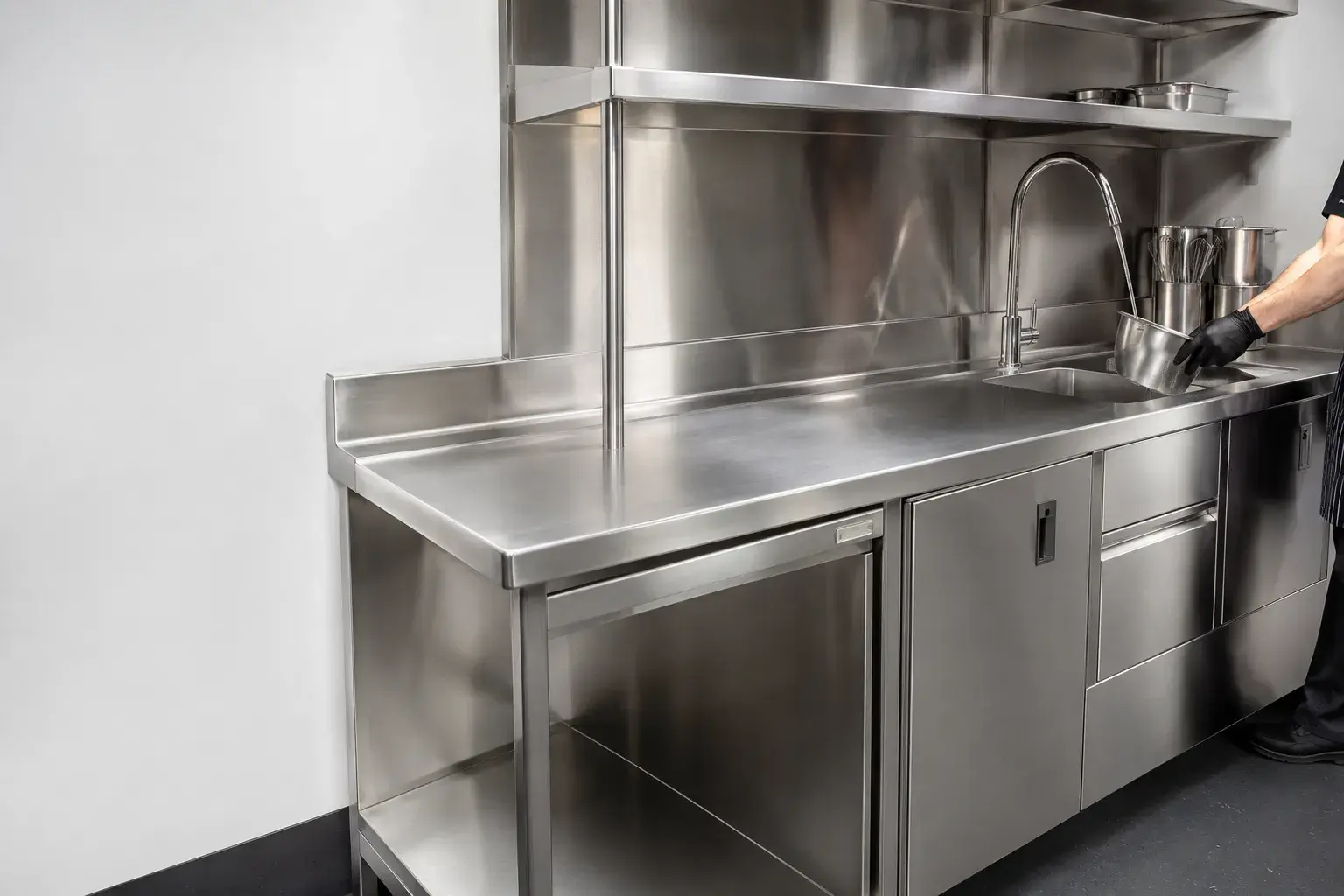
Stainless vs Galvanized vs Coated Steel Grating: Choosing by Environment
Stainless, galvanized, and coated steel grating compared by environment: corrosion, cost, and lifespan, so you pick the right material for indoor, outdoor, or wash-down.
Choosing between stainless, galvanized, and coated steel grating comes down to the environment the grating lives in and how long you need it to last. For most outdoor and general-purpose jobs, hot-dip galvanized steel is the cost-effective default. Step up to stainless steel when you face constant moisture, chemicals, salt, coastal air, or sanitary wash-down. Reach for coated or painted steel when appearance and budget matter more than heavy corrosion exposure, and the setting is dry or indoor.
Below we break down each material, then give you a comparison table and setting-by-setting guidance so you can specify the right grating the first time. This is a cross-material comparison. If you have already settled on stainless and just need to choose an alloy, see our guide on 304 vs 316 stainless grates.
Galvanized Steel Grating: The Cost-Effective Workhorse
Hot-dip galvanized steel grating is carbon steel that has been dipped in molten zinc after fabrication. The zinc layer bonds metallurgically to the steel and protects it two ways: it forms a physical barrier, and it sacrifices itself first (galvanic protection) so the steel underneath stays sound even if the surface gets scratched.
This makes galvanized grating the default for a huge share of jobs. It handles outdoor exposure, rain, and general industrial use for decades at a fraction of the cost of stainless. In a typical GTA outdoor setting, hot-dip galvanized bar grating commonly lasts 30 to 50 years before the zinc is consumed enough to need attention.
Where galvanized shines:
- Parking structures, walkways, and platforms exposed to weather
- Loading docks, ramps, and mezzanines
- Municipal drainage, catch basins, and general trench covers
- Industrial flooring where cost per square foot matters
Where galvanized struggles: constant salt exposure, aggressive chemicals, and sanitary environments that need daily wash-down. Road salt in particular accelerates zinc loss, which is worth planning for on Ontario projects. For most of that middle ground, though, galvanized is the smart money. Our metal grates and heavy-duty grates are frequently specified in hot-dip galvanized carbon steel for exactly these reasons.
Stainless Steel Grating: Corrosion, Sanitary, and Coastal Duty
Stainless steel grating is the answer when the environment would eat through galvanizing. Instead of relying on a sacrificial zinc coating, stainless resists corrosion through its own chemistry: chromium in the alloy forms a self-healing passive layer that reforms if scratched. There is no coating to consume, so the corrosion resistance is built into the metal for the life of the part.
That property makes stainless the correct choice in three broad situations:
- Sanitary and wash-down areas. Food and beverage plants, breweries, commercial kitchens, and pharmaceutical facilities need surfaces that clean fully and will not rust from daily washing. Stainless is standard here.
- Chemical exposure. Plating lines, water treatment, and process areas with acids or caustics need an alloy chosen for the specific chemistry. Type 316 stainless, with added molybdenum, resists chlorides and many acids better than 304.
- Coastal and de-icing salt. Salt air and road salt drive chloride corrosion that galvanizing cannot outrun long term. Type 316 is the common specification for salt exposure.
The trade-off is upfront cost. Stainless grating typically runs several times the price of galvanized for the same profile. You pay for it once, though, and in the right environment it outlasts every alternative with little maintenance. When clients need this level of durability, we fabricate custom metal grates in 304 or 316 stainless to the exact load and spacing the job requires.
Coated and Painted Steel Grating: Appearance on a Budget
Coated steel grating covers carbon steel with a painted, powder-coated, or otherwise applied finish rather than zinc. The main reasons to choose it are appearance and cost, not maximum corrosion protection.
Powder coating and industrial paint give you color matching, a clean architectural look, and a defined finish that suits visible indoor installations, retail, and light commercial settings. It is usually cheaper than stainless and can be cost competitive with galvanizing depending on the coating system.
The catch is that a coating is only a barrier. Once it is chipped, scratched, or worn through at a high-traffic edge, the exposed steel underneath will rust, and there is no galvanic backup the way there is with zinc. That makes coated steel best suited to:
- Indoor and dry environments where impact and abrasion are limited
- Architectural and decorative grating where appearance drives the spec
- Budget-conscious light-duty jobs with low moisture exposure
For a longer-lasting finish outdoors, a common approach is to galvanize first and then coat on top, combining zinc protection with the color you want. We can advise on the right build for your setting when we quote your trench drain grates or platform grating.
Side-by-Side Comparison
The table below summarizes how the three materials stack up. Treat lifespan figures as typical ranges for the matched environment, not guarantees, since exposure, maintenance, and coating quality all move the number.
| Material | Corrosion Resistance | Relative Cost | Best Environment | Typical Lifespan |
|---|---|---|---|---|
| Hot-Dip Galvanized Steel | Good (sacrificial zinc) | Low | Outdoor, general industrial, municipal | 30 to 50 years |
| Stainless Steel (304) | Very good | High | Sanitary, wash-down, indoor food areas | 50-plus years |
| Stainless Steel (316) | Excellent (chloride resistant) | Highest | Coastal, chemical, heavy salt exposure | 50-plus years |
| Coated / Painted Steel | Fair (barrier only) | Low to medium | Indoor, dry, architectural | 10 to 20 years |
Choosing by Setting
Materials make the most sense when you tie them to the actual site. Here is how we typically guide clients across the GTA and Ontario:
- Parking structures: hot-dip galvanized is the standard. It handles weather and vehicle traffic economically. In decks with heavy winter salt, consider stainless for critical drainage points.
- Loading docks and ramps: galvanized heavy-duty grating carries the load and shrugs off the elements at a reasonable cost.
- Food and beverage plants: stainless, no compromise. Daily wash-down and sanitary standards rule out galvanizing and coatings. Type 304 covers most areas, 316 where cleaning chemicals are aggressive.
- Pool decks and aquatic centres: chlorinated, wet, humid conditions push toward stainless, usually 316, because the chloride load degrades zinc and coatings quickly.
- Coastal and lakeside sites: salt air means 316 stainless for anything you expect to last.
- Chemical and process industrial: match the alloy to the chemistry. This is a case to talk it through rather than default to a grade.
- Indoor architectural and retail: coated or painted steel gives the look and color at the lowest cost, since corrosion exposure is minimal.
Total Cost of Ownership: Look Past the Sticker Price
The cheapest grating on quote day is often the most expensive over the life of the building. The right way to compare is total cost of ownership: upfront material and fabrication, plus every replacement, repair, downtime, and maintenance dollar over the years the grating has to serve.
A worked example makes the point. Coated steel grating in a wet or salty area might cost the least to buy, but if it needs replacing every 10 to 15 years, you pay for that grating, plus removal, plus new installation, plus the disruption, two or three times over the same period that a single stainless installation would have covered. In that setting stainless is cheaper in the long run despite the higher sticker price.
The reverse is also true. Specifying 316 stainless for a dry indoor walkway that a galvanized or coated grate would serve fine for decades is money spent on corrosion resistance you will never use. Matching the material to the environment, not over-building or under-building, is where the real savings live.
A practical way to decide: estimate how many decades the grating must last, then pick the cheapest material that comfortably clears that mark in your specific exposure. For galvanized work shipped anywhere in the country, see how we handle galvanized steel fabrication shipped across Canada.
Frequently Asked Questions
Is stainless steel grating always better than galvanized?
No. Stainless resists corrosion better, but it costs several times more. In dry or general outdoor settings, hot-dip galvanized grating lasts for decades and is the smarter spend. Stainless is worth the premium only when moisture, salt, chemicals, or sanitary wash-down would attack galvanizing.
How long does galvanized grating last outdoors?
In typical GTA outdoor exposure, hot-dip galvanized bar grating commonly lasts 30 to 50 years before the zinc layer needs attention. Heavy road salt or constant salt spray shortens that, which is when clients move to 316 stainless for critical areas.
Can I use coated steel grating outdoors?
You can, but be careful. A coating is only a barrier, so any chip or scratch exposes bare steel that will rust with no galvanic backup. For outdoor durability, galvanize first and then coat on top, which combines zinc protection with the finish and color you want.
Which grating is best for a wash-down or food plant?
Stainless steel, without compromise. Daily washing and sanitary standards rule out galvanizing and painted coatings. Type 304 handles most food and beverage areas, while type 316 is specified where cleaning chemicals or brines are more aggressive.
Not sure which material fits your site? Tell us the environment, load, and lifespan you need, and we will spec the right grating in galvanized, stainless, or coated steel and fabricate it to your dimensions. Contact The Grate Guys for a quote on custom metal grating built for the GTA and shipped across Ontario.
Get a quote for your project
Send sizes, quantities, and your deadline. We review it and reply with the next step.